
Tender, citrus-bright, and still perfect on day three. The secret is sour cream.

My mother has been looking for her mother’s poppyseed cake for years.
Not a poppyseed cake. Her mother’s poppyseed cake, the specific one, the right one, the one that was made for decades and has not been exactly replicated since. She knows what it tasted like. She knows what it smelled like. She is still looking.
I understand this completely, because I am doing the same thing with a walnut roll. A sweet dough, crushed walnuts, powdered sugar icing. My grandmother made it. I have been trying to find my way back to it for years.
There is something about the recipes our grandmothers made that resists reconstruction. You can get close. You can get very close. But the original lives in a sensory memory that no recipe card can fully reach because the recipe was never written down, or if it was, something essential was left out. The feel of the dough. The particular oven. The hands that made it ten thousand times.
This lemon poppy seed loaf cake is my closest attempt to give my mother something that tastes like hers. It is not identical. I don’t know if identical is possible but it is tender and bright and lemony, and when I bring it to her she closes her eyes for a moment after the first bite. That is close enough for now.
If you are a lemon lover, this one is for you. It works as a great breakfast sliced and served with tea, an afternoon snack with a cup of coffee, or dessert when you want something that feels homemade without feeling heavy. It is the kind of lemon loaf cake that earns a permanent place in your baking rotation.
This post contains affiliate links, which means I may earn a small commission at no extra cost to you if you purchase through my links. I only recommend things I actually use.

What Makes This a Great Lemon Poppyseed Loaf Cake
Most lemon recipes in this style fall into one of two traps: they are either too dry, or the bright lemon flavor fades by the next day. This lemon poppyseed loaf cake avoids both, and it does it with a few deliberate choices.
The first is sour cream. Full fat, room temperature sour cream adds both fat and acidity to the batter at the same time. The fat keeps a moist crumb even after the cake cools completely and there are no dry edges by day two. The acidity reacts with the baking soda to create a lift. Plain yogurt or Greek yogurt will work in a pinch (use full fat for either), but sour cream gives you the best texture.
The second is the ratio of fresh lemon zest to fresh lemon juice. Two tablespoons of fresh lemon zest add natural oils to the batter and make your kitchen smell like a lemon grove. The juice delivers a citrus punch that balances the sugar and keeps the cake from tasting blah. Too much juice and the cake batter is watery and won’t set properly. Too little and you lose the bright lemon flavor entirely.
The third is the creaming step. Beating the softened butter and sugar until it is pale and fluffy, two to three minutes on medium speed, incorporates air into the batter, which makes the light and moist. Rush this step and you will end up with a dense, heavy loaf.
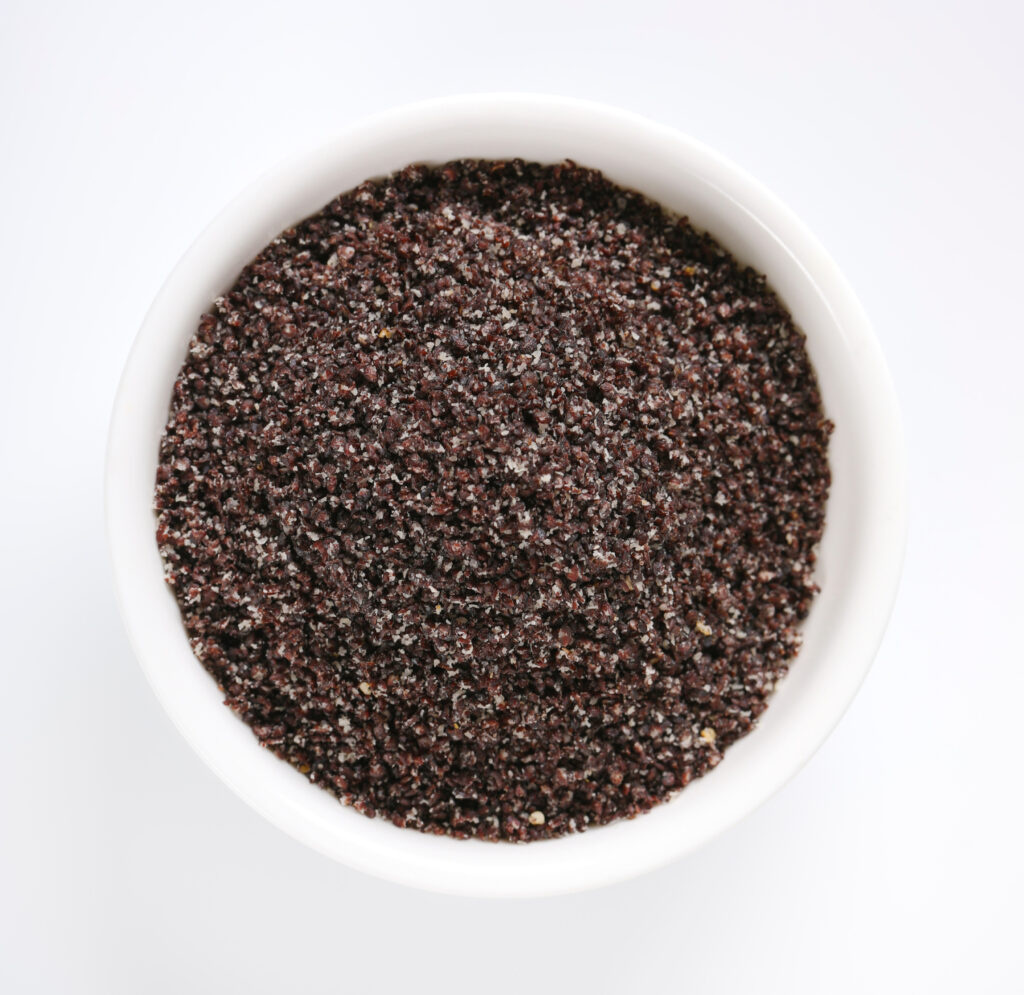
A Brief History of Poppy Seeds
Poppy seeds have been in European baking for centuries, especially across Eastern Europe and Germany, where they are treated as a pantry staple rather than a novelty. In Jewish baking traditions they appear in celebration breads and pastries, paired with honey or citrus to balance their earthy, slightly bitter undertone. The seeds do not have much flavor on their own, baking is what makes them interesting.
Lemon and poppy seed became a pair in American baking sometime in the mid-twentieth century, along with the rise of quick bread recipes that did not require yeast or special equipment. The combination worked: the right amount of poppy seeds adds texture and those appealing dark speckles, while lemon cut through the richness of butter and sugar. This lemon poppy seed loaf recipe keeps that tradition alive with a moist crumb and a glaze that does not just sit on top but soaks in just enough to make every bite lemony and delicious.

Ingredients and What Each One Does
Before you start, a note about ingredients: for the best results, everything should be at room temperature. Cold eggs and cold sour cream will not incorporate properly into the creamed butter mixture, and the cake batter may look broken or curdled before you even get it into the prepared loaf pan. Pull everything out about an hour ahead.
Softened butter. Unsalted, genuinely soft. If you forgot to take it out, you can cut it into small pieces and let it sit for 20 minutes. Do not melt it, melted butter will not cream properly.
Granulated sugar. The amount of sugar in the recipe balances the tartness of the lemon. Do not reduce it or the cake will taste sour rather than bright.
Fresh lemons. You need both the zest and the juice, and they should come from fresh lemons, not a bottle. Fresh lemon zest is where the natural oils live. Lemon extract can intensify the flavor even more, if you want a stronger punch add half a teaspoon with the vanilla extract.
Sour cream. Full fat, room temperature. This is what keeps the crumb moist and gives the cake its structure. Greek yogurt or plain yogurt (full fat) can substitute in a pinch.
All-purpose flour. Measure by weight if you can, it is the most accurate way to get a consistent result. Spoon and level if you do not have a scale. Too much flour is the most common reason a loaf cake turns out dry.
Poppy seeds. Check the expiration date on your jar. Old poppy seeds taste bitter and can overpower the lemon. Two tablespoons is just the right amount of poppy seeds for this loaf.
Baking powder and baking soda. Both are in this recipe and both are necessary. Check your expiration date on these too.
Confectioners’ sugar. For the glaze. Also called powdered sugar. Sift it if it is lumpy for a smoother finish.
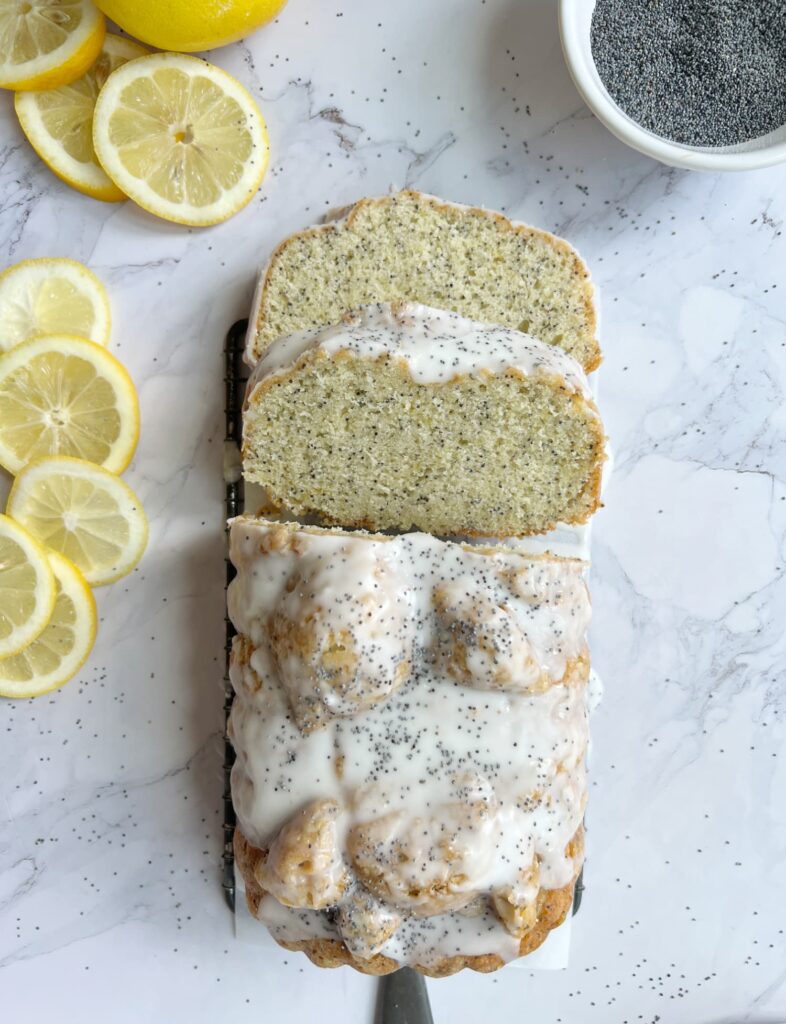
Equipment You Will Need
You do not need much, but having everything ready before you start makes the process easier.
A 9×5-inch loaf pan. This is the standard size for this recipe. Mini loaf pans work too, divide the batter evenly and start checking them at 35 minutes.
An electric mixer. A hand mixer works perfectly well. If you have a bowl of a stand mixer, use the paddle attachment. The goal is the same either way: pale, fluffy, properly creamed butter and sugar.
A large bowl or large mixing bowl. For the butter and sugar mixture.
A medium bowl. For whisking the dry ingredients together separately before they go into the large bowl.
A small bowl. For making the glaze.
A rubber spatula. For scraping the sides of the bowl and spreading the cake batter level in the pan.
A measuring cup. For the sour cream and any liquid ingredients.
A wire rack or cooling rack. Non-negotiable. You need air circulation under the loaf as it cools, and you need the cake completely cool before the glaze goes on.
A piece of parchment paper. Line the prepared loaf pan with parchment, leaving a two-inch overhang on all sides. This is how you lift the finished loaf out cleanly without it falling apart.
A small saucepan. Optional, only if you want to make a lemon syrup to brush on the warm cake before the glaze for extra moisture and lemon punch.
Step-by-Step Instructions
Making the perfect cake is all about following instructions. Remember, baking is a science. Here is how to walk through it.
Prep the pan. Coat a 9×5-inch loaf pan with cooking spray. Line with a piece of parchment paper, leaving a two-inch overhang on all sides. Set the pan aside. Preheat the oven to 350°F.
Cream the butter and sugar. In the bowl of a stand mixer or a large mixing bowl, beat the softened butter and sugar on medium speed for two to three minutes until pale, fluffy, and noticeably lighter in color. This step is where the air goes in.
Add the eggs. Beat in the eggs one at a time, beating well after each addition. Scrape down the sides of the bowl as needed. The batter should look smooth and emulsified.
Add lemon and vanilla. Beat in the vanilla extract, fresh lemon zest, and two tablespoons of the fresh lemon juice on low speed until just combined. Add the lemon extract here if you want an extra punch of flavor.
Whisk the dry ingredients. In a separate medium bowl, whisk together the flour, poppy seeds, baking powder, baking soda, and salt. Whisking the dry ingredients in a separate bowl before adding them to the wet ingredients ensures the leavening agents are evenly distributed.
Alternate dry and wet. Add the flour mixture to the butter mixture in three additions, alternating with the sour cream, beginning and ending with the flour mixture. Add half of the flour mixture, then the sour cream, then the remaining flour. Mix on low speed just until no dry streaks remain. Do not overmix the batter.
Pour batter into the pan. Transfer the cake batter to the prepared loaf pan and use a rubber spatula to spread it into an even layer.
Bake. Bake in preheated oven for 50 to 55 minutes, until a wooden skewer inserted in the center of your loaf comes out with a few moist crumbs. If the top of the cake is browning too fast, tent it loosely with aluminum foil for the last ten minutes. Do not place the pan on a baking sheet, you want heat reaching the bottom of the loaf.
Cool. Remove the cake from oven and let cool in the loaf pan for 10 minutes. Use the parchment paper overhang to lift the loaf from the pan and transfer to a cooling rack. Let cool to room temperature. Do not skip the cooling step or the glaze will melt straight off.
Make the glaze. In a small bowl, whisk together the confectioners’ sugar, whole milk, and remaining lemon juice until smooth. The consistency should be thick but pourable. Drizzle evenly over the cooled loaf cake. Let the glaze set about 15 minutes before slicing.
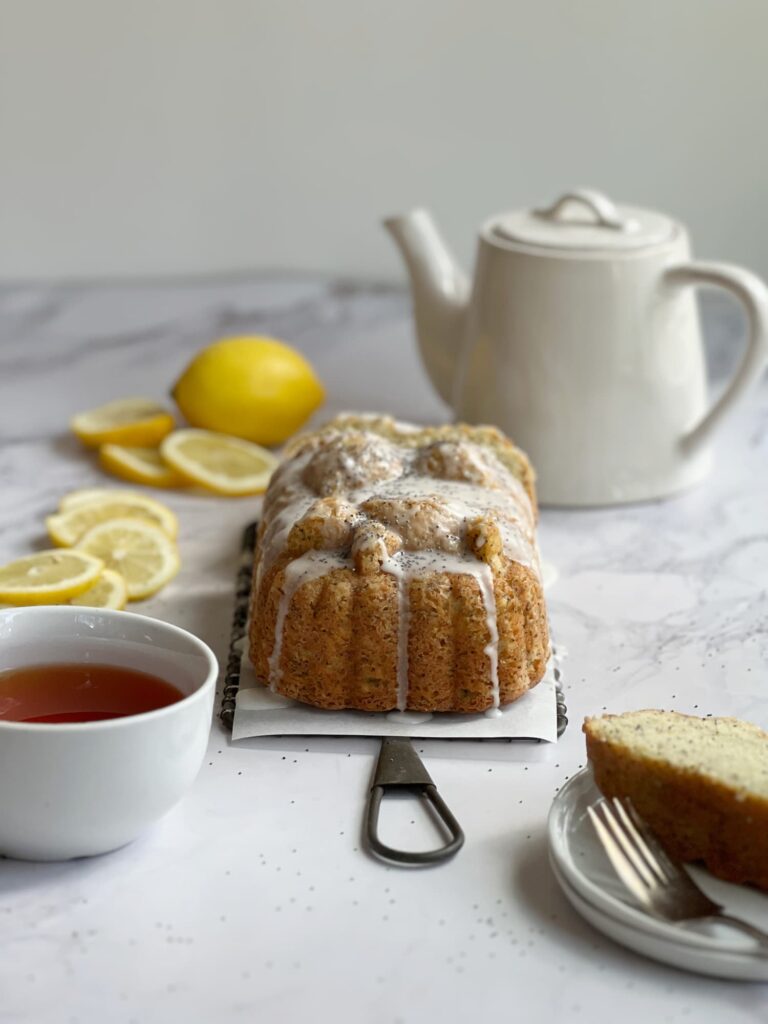
Variations Worth Trying
This is a very forgiving lemon loaf cake. A few swaps worth knowing about:
Meyer lemon. Sweeter and more floral than a standard lemon. Adjust to taste but keep the same ratios.
Lemon syrup soak. In a small saucepan, simmer two tablespoons of lemon juice with two tablespoons of sugar until the sugar dissolves, about two minutes. Brush the warm loaf with the lemon syrup before it goes on the cooling rack, then add the glaze once it is cool. This gives you an extra layer of moisture and a more intensely lemony loaf.
Lemon poppy seed muffins. Divide the batter into a lined muffin tin and bake at 350°F for 18 to 22 minutes. Enjoy plain, with glaze or dust with powdered sugar instead.
Mini loaf pans. Divide the batter between two mini loaf pans and begin checking at 35 minutes. One to give away, one to keep.
Blueberry variation. Fold in half a cup of fresh or frozen blueberries with the last addition of flour, tossed first in a tablespoon of flour so they do not sink. They burst during baking and leave little pockets of jammy sweetness.
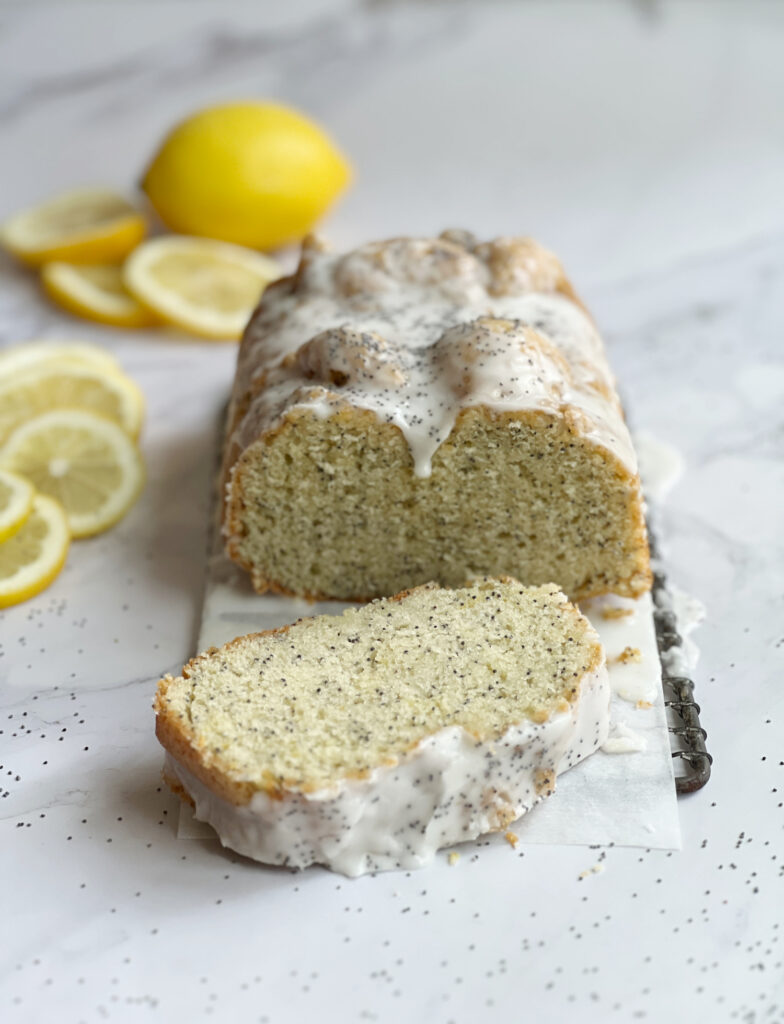
How to Store Lemon Poppyseed Bread
One of my favorite things about this lemon poppy seed loaf recipe is how well it keeps. Wrapped tightly in plastic wrap or stored in an airtight container, this cake stays moist at room temperature for up to five days. The glaze softens slightly after the first day but does not affect the texture. For longer storage, refrigerate it and bring it back to room temperature before serving.
For freezing: wrap the whole loaf tightly in plastic wrap, then in a layer of aluminum foil, and freeze for up to three months. Thaw overnight in the refrigerator or at room temperature for a few hours. The glaze will look dull after freezing, add a fresh drizzle once it is thawed. It takes two minutes and is worth it.
Individual slices freeze beautifully. Wrap each slice separately and pull out one or two at a time. Fifteen to twenty seconds in the microwave brings a frozen slice back to life.
The next day, this cake is actually better. The lemon flavor settles and deepens overnight. I slice it cold from the refrigerator and let it sit for ten minutes before eating, which is just long enough to make a proper cup of tea or a cup of coffee for my mom.

If you are also in pursuit of something your grandmother made and I suspect some of you are I hope you are lucky enough to find it. And while you are looking, I hope this lemon poppy seed cake recipes give you something to enjoy.
Is there a recipe you are still searching for? Something a grandmother or mother made that you have not been able to quite replicate? I would love to know.
Come find me on Instagram, Pinterest, and Facebook. — I love seeing what is on your counter.
You Might Also Enjoy:
Blueberry Lemon Lavender Bread
Print
Homemade Lemon Poppyseed Loaf Cake With a Tangy Glaze
This lemon poppyseed loaf cake is tender, citrus-bright, and stays moist for days. Sour cream is the secret. Topped with a tangy lemon glaze.
- Total Time: 1 hour
- Yield: 8 servings 1x
Ingredients
1 cup granulated sugar
1/2 cup (4 oz.) unsalted butter, softened
3 large eggs, at room temperature
1 Tbsp. vanilla extract
2 Tbsp. grated lemon zest, plus 2 1/2 Tbsp. fresh juice, divided, (2 large lemons)
1 3/4 cup (about 7 3/8 oz.) all-purpose flour
2 Tbsp. poppy seeds
1/2 tsp. baking powder
1/2 tsp. baking soda
1/2 tsp. kosher salt
1/2 cup sour cream, at room temperature
3/4 cup (about 3 oz.) powdered sugar
2 tsp. whole milk
Instructions
Preheat oven to 350°F. Spray a 9- x 5-inch loaf pan with no-stick cooking spray then line with parchment paper, leaving a 2-inch overhang on all sides. Set aside.
In the bowl of a stand mixer fitted with a paddle attachment beat the granulated sugar and softened butter on medium speed until light and fluffy, about 2 to 3 minutes. Alternately, in a large bowl cream and butter and sugar using an electric mixer. Add the eggs, 1 at a time, beating well after each addition, about 2 minutes total. Be sure to stop the mixer and scrape down the sides and bottom of the bowl.
Mix in the vanilla extract, lemon zest and 2 tablespoons of the lemon juice until combined. In a medium bowl whisk together flour, poppy seeds, baking powder, baking soda, and salt.
Add the flour mixture into sugar mixture in 3 additions, alternately with sour cream, beginning and ending with flour mixture.
Pour the batter into the prepared loaf pan, smooth the top with an offset spatula.
Bake in preheated oven until a wooden or metal skewer inserted in the center comes out with a few moist crumbs, 50 to 55 minutes. Remove the cake from oven, and let cool in loaf pan for 10 minutes. Remove the loaf from pan and let cool on a wire rack to room temperature.
In a small bowl, whisk together powdered sugar, milk, and remaining 1/2 tablespoon lemon juice until smooth.
Drizzle evenly over cooled loaf cake, cut and enjoy
Notes
Recipe from Southern Living
- Prep Time: 10 minutes
- Cook Time: 50 minutes
- Category: Dessert
- Method: Baked
You may also enjoy: This lemon poppy seed loaf cake.






Ah yes. My Nana’s molasses cookies. I can conjure up the fragrance, warm from the oven and timed just as I got home from school. Large, soft, cakey but with a smooth top, they were perfection, crying for a glass of cold whole milk. She measured with a teacup, a certain old spoon, and the way the batter “looked.” No one has replicated them, even though the receipt (Nana’s term) was written down. There was some mystery around including some cold coffee in the batter. If only.
and timed
Sharon, there is something about the old recipes and perhaps the love poured into them while baking them. Bills uncle had a restaurant and he served a dessert called baked fudge with ice cream and hot cuddle sauce, it was amazing. He refused to share the recipe because he has shared it for years and people kept telling him that he was leaving something out because when they made it at home it did not turn out. As he told me the recipe was from Bon Appetite, he handed them a copy but they could not replicate it.
Your Nana’s molasses cookies sound delicious.