Seasonal nutrition tips for women over 50. Winter foods, hydration, and seasonal eating strategies to help you thrive in winter.

January settles in quietly. The cold lingers, the days remain short, and the frenetic energy of the holidays gives way to something slower. This shift affects everything, from how rested you feel in the morning to how resilient your immune system is. The way you ate in the summer or even a few years ago, may no longer work for you as you age.
For women over 50, seasonal nutrition in January can change how the whole winter feels. While I would love to spend the winter eating comfort foods like macaroni and cheese I feel much better when eating warm, nourishing, and healthy meals. Not through restriction, believe me I still enjoy dessert and hot chocolate, but by making better choices.
Seasonal winter eating is about supporting immunity, bone health, digestion, and giving your energy during the colder months when all we feel like doing is hibernating.

Why Seasonal Nutrition Matters for Women Over 50
After menopause, the body’s needs shift. Our metabolism slows down. Bone density becomes more important. Inflammation and joint stiffness can feel more noticeable, especially in winter, when physical activity decreases and time indoors increases.
Seasonal eating helps by:
Supporting immune health during cold and flu season
Providing nutrient-dense foods
Stabilizing blood sugar and energy levels
Nourishing bones, muscles, and joints
Rather than eating less in January, many women feel better eating simpler, warmer, and more nourishing foods including seasonal vegetables, fresh fruits, whole grains, and protein.
The Best Winter Foods to Eat in January (and All Winter Long)
Root Vegetables & Winter Squash
Root vegetables, sweet potatoes, carrots, turnips, parsnips, and beets are winter staples for a reason. They are rich in fiber, antioxidants, and complex carbohydrates that support digestion and give us energy.
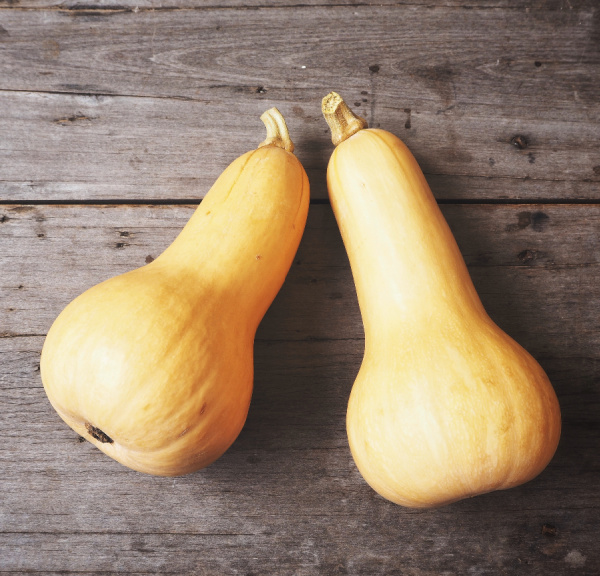
Their natural sweetness satisfies cravings while delivering vitamins A and C, potassium, and protective antioxidants. Winter squash, including butternut, acorn, and kabocha, offer additional benefits and adds warmth and versatility to winter meals.
One cup of cooked butternut squash provides more than 400% of your daily vitamin A needs, supporting vision and immune health during the darker months.

Cooked Leafy Greens
Kale, Swiss chard, collards, and spinach thrive in cold weather when other fresh vegetables are scarce. Dark leafy greens provide calcium, iron, folate, and and essential vitamins K and C, nutrients women over 50 often need in greater amounts.
Vitamin K plays an important role in bone health by helping the body use calcium effectively. These greens can be used in salads but cooking them makes them easier to digest, improves mineral absorption and makes them taste delicious.
One cup of cooked kale delivers more than a full day’s worth of vitamins C, A, and K.

Citrus Fruits
January marks peak citrus season, just when our immune systems need extra support. Oranges, grapefruits, lemons, and tangerines provide vitamin C to help the body fend off winter illnesses like colds and flu.
For women over 50, vitamin C also supports collagen production, helping maintain skin elasticity and joint comfort. The flavonoids found in citrus fruits support cardiovascular health by improving blood vessel function and reducing inflammation.
Just one medium orange provides a full day’s vitamin C along with fiber.
Note: Grapefruit can interact with certain medications. If you take prescriptions, especially for blood pressure or cholesterol, check with your healthcare provider about eating grapefruit or drinking grapefruit juice.
Winter Fruits (Beyond Citrus)
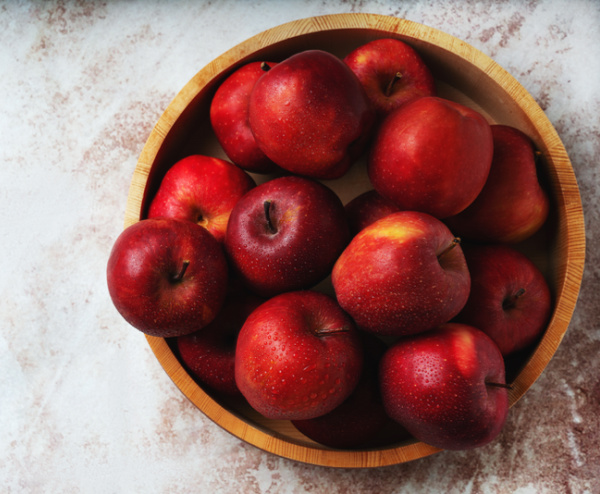
There are plenty of other fruits to enjoy beyond oranges. These winter fruits provide fiber for digestion, antioxidants that help reduce inflammation, and essential vitamins and minerals that support immune, heart, and bone health. Fruits like apples, pears, cranberries, pomegranates, and persimmons are rich in protective plant compounds that help shield the body from everyday wear and oxidative stress. While dried fruits such as dates and figs supply potassium, magnesium, and calcium, nutrients especially important for women over 50.
When simmered, baked, or gently warmed, these fruits become easier on digestion, help stabilize blood sugar, and provide a natural and delicious sweetness that nourishes our bodies and our sweet tooth.

Fatty Fish and Omega-3 Sources
Salmon, sardines, mackerel, and herring provide omega-3 fatty acids that help calm inflammation throughout the body. As women age, inflammation can cause joint pain, cardiovascular issues, and cognitive changes.
Omega-3s support brain health and may help reduce cognitive decline, while also supporting heart and joint health through winter.

Warming Spices and Herbs
Turmeric, ginger, cinnamon, and even a pinch of cayenne add more than flavor to winter meals. These spices contain anti-inflammatory compounds that support our bodies which may feel stiffer and more tired in cold weather.
Turmeric’s curcumin has been widely studied for joint comfort. Ginger supports digestion, eases bloating, and improves circulation.
Cinnamon supports blood sugar, which becomes increasingly important as insulin sensitivity changes with age. Stirred into oatmeal or yogurt, it adds sweetness without sugar. I like to add cayenne, and cinnamon to my morning hot chocolate.
Healthy Fats
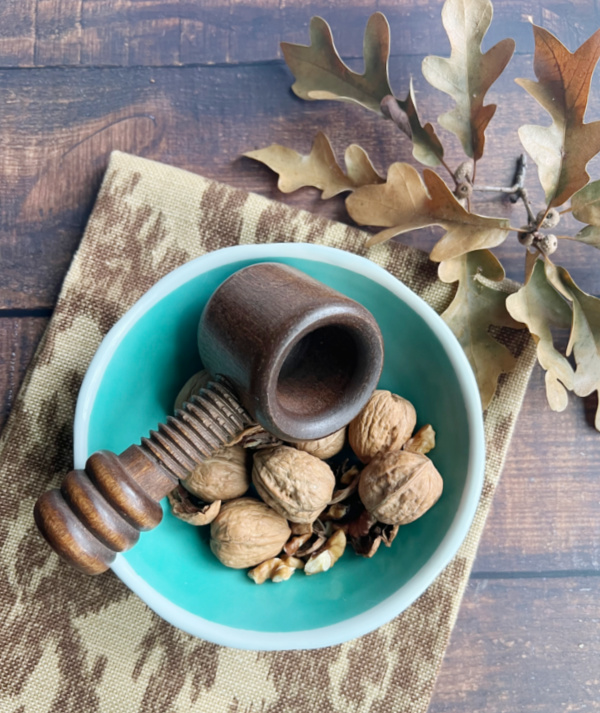
Olive oil, avocados, nuts, and seeds support hormone balance, heart health, and joints. Including healthy fats in your winter diet helps meals feel satisfying.
Protein at Every Meal
Protein becomes more important after age 50 to preserve muscle mass and support metabolism. Including protein at each meal, eggs, poultry, fish, beans, lentils, or Greek yogurt, helps maintain strength and gives you energy.
How to Eat in Winter
Seasonal nutrition is as much about how we eat as what we eat. Winter encourages us to slow down, so why not relax and enjoy.
Winter is not the time to eat less. It’s a time to eat simpler, and more intentionally, choosing foods that comfort and sustain the body through the shorter days and colder weather.
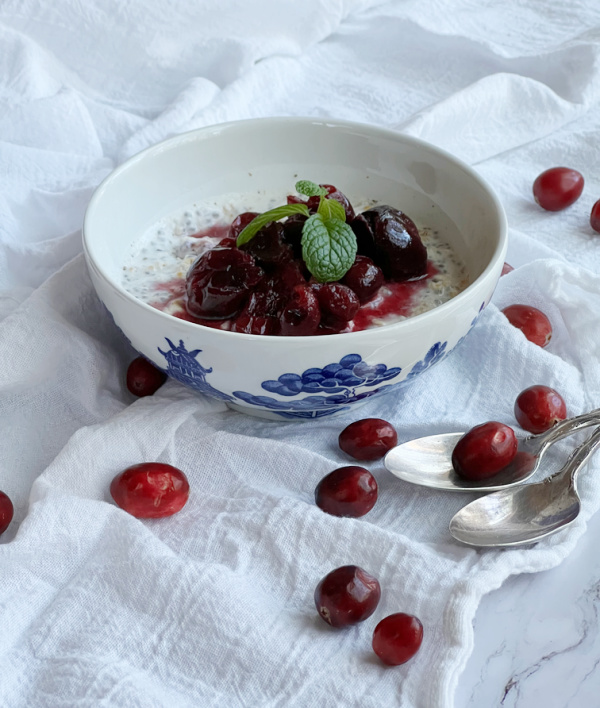
Swap your cold morning smoothie for oatmeal, eggs, yogurt bowls. and overnight oats. Enjoy warm soups, stews and sheet pan dinners filled with seasonal produce. Healthy eating doesn’t have to be complicated or boring.
Remember seasonal nutrition is not about fixing your body after the holidays. It’s about nurturing it with warm meals and choices that support you through winter’s slower, more restorative season.

Simple January Meal Ideas
Breakfast: Steel-cut oats with cinnamon, walnuts, and citrus zest or scrambled eggs with sautéed spinach
Lunch: Hearty soups like lentil or vegetable soup with olive oil and greens. Or salads piled high with roasted vegetables, hard boiled eggs, apples and cranberries
Dinner: Roasted chicken, sweet potatoes, and sautéed kale
Snack: Greek yogurt with berries , a handful of almonds, chia seeds pudding, or dates with peanut butter

Hydration in Colder Weather
Hydration is important any time of the year but more so in the winter because the cold weather dulls thirst cues, which by the way naturally decline with age. Your body needs the same amount of water in winter as summer, roughly 8 to 10 cups daily. Dehydration affects cognitive function, joint lubrication, kidney function, and skin health.
Starting the day with a glass of water before coffee, keep it on your bedside table so that it is the first thing you see when you wake up and the last thing you see before you go to bed. Keep a glass by every sink in your house so that each time you wash your hands you have a drink of water. Or fill up a water bottle in the morning and carry it with you so that it reminds you to drink. Drink before you feel parched. Here are 5 tips to drink more water.
These forms of hydration support digestion, gut health, joint comfort, and overall wellbeing.
Winter hydration includes:
Herbal teas(chamomile, mint, ginger), green tea, black tea
Warm water with lemon or cucumber
Chicken, vegetable, broth-based soups or bone broth
Cocunut water
Oranges and grapefruits
Cucumber and celery

A Gentle January Reminder
Seasonal nutrition in January is not about fixing yourself. It’s about tending to your body, mind and spirit, one bowl of soup, one warm meal at a time. A balanced diet filled with nutritious foods can give you energy, make you stronger and support you until Spring. Listen to what your body needs this season, slow down and settle into the slow, steady rhythm of winter , you deserve to rest, relax and regroup, to have a cozy reset and fill your body with nourishing foods.
If you enjoyed this post, I’d love for you to share it. And if you’d like to stay connected you can find Pinecones & Acorns on Facebook, Instagram or Twitter or Pinterest.
This post contains affiliate links, if you make a purchase I will earn a small commission at no extra cost to you. As an Amazon Associate, I earn from qualifying purchases. If you choose to purchase after clicking a link, I may receive a commission at no extra cost to you.
On My Radar
You may also enjoy: valentines day in midlife a quieter.
You may also enjoy: there are no wordsthe orlando shooting and analog bag poilâne h is for.