Seasonal eating is good and good for you. Here are 15 Fall fruits and vegetables to enjoy right now in both sweet and savory dishes.

The Best Fall Fruits and Vegetables
Fall is a time when nature offers a rich bounty of fruits and vegetables unique to this season. Many of our favorite Fall fruits and vegetables of harvest season reflect Autumn colors, deeps reds, yellows, oranges and darks greens and they are at peak season and freshness.
Although we can go to the grocery store and find any seasonal foods that we like available year-round, seasonal eating is actually better for you, the produce is ripe and more flavorful. Selecting the best fruits and vegetables in fall can feel a bit like a treasure hunt. Whether you’re wandering farmers market, browsing grocery aisles, or scoping out the roadside stands of local farmers, you are sure to find fruits and vegetables at the peak of freshness.
Fall vegetables and fruit aren’t just tasty, they are packed with nutrients that you need to support your health through colder months ahead. Cooking with fall harvest produce lets you infuse meals with the character and comfort of the season. From hearty stews and crisp salads to sweet treats and desserts Seasonal recipes celebrate the colors and flavors fall brings. Today I am sharing autumnal fruits and vegetables to add to your sweet and favorite dished.
Fall Fruits
Apples
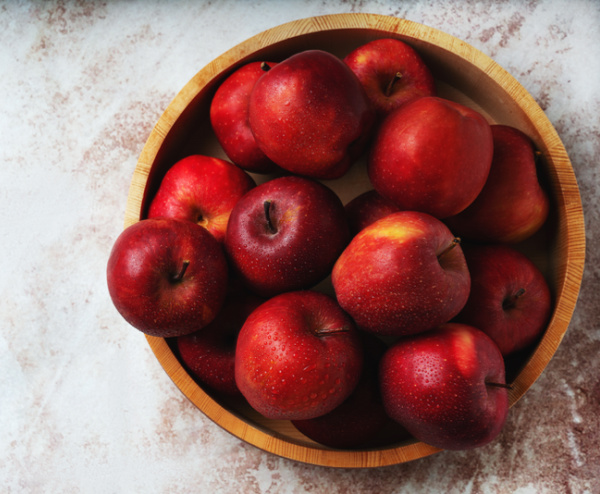
Apple are the quintessential fall fruit. If you think of fall, it’s hard not to picture juicy, crisp apples hanging from the tree, ready and ripe for picking. Apples come in so many varieties, from tart Granny Smiths to sweet Fuji apples. Their versatility is unmatched, you can toss them in salads, bake them into pies, or simply enjoy them fresh.
Apple Facts
- Popular varieties include Honeycrisp, Gala, and Braeburn, and Granny Smith. Honeycrisp is known for its crisp texture and juicy flavor. Granny Smiths are tart and perfect for caramel apples. Braeburn works for baking thanks to its firm flesh that holds shape well.
- Apples are packed with soluble fiber called pectin that supports digestion. They also provide vitamin C, which boosts your immune system.
- From sauces to sweet crisps, apples add moisture and natural sweetness to fall dishes.
- Store apples in a cool, dark place or in the fridge to prolong freshness. Avoid keeping them with bananas and avocados as that releases ethylene gas, which speeds ripening.
- Visiting an orchard can be a fun fall activity to cross off your bucket list and offers you the freshest fruit available. Remember, apples picked fresh keep their flavor and crunch far better than those off the supermarket shelf which are often times over a year old.
Apples capture the spirit of fall with both their flavors and the memories of apple picking and baking traditions. They’re convenient, nutritious, and endlessly adaptable, making them an autumn essential. Whether crunched raw or baked into a comforting dessert, like apple crisp or added to a salad, apples bring a bit of brightness to cooler days.
Pears
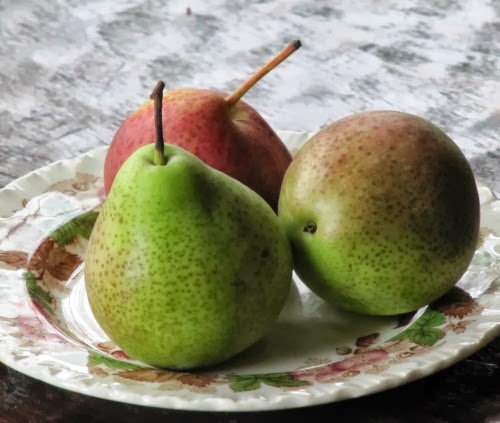
Pears are a quieter star of fall fruit but just as deserving of attention. They are soft and sweet making them perfect for enjoying fresh or cooking. Pears tend to ripen off the tree, so make sure to wait for them to be at their best.
Pear Facts
- Bartlett pears are juicy and sweet when ripe, great for eating raw. Bosc pears have a firmer texture and work well in baking. Asian pears taste a little like apples.
- A perfectly ripe pear gives slightly when gently pressed near the stem.
- Pears are delicious for dessert, you can poach pears in red wine or roast them to add to cheese boards or salads. My favorite thing to do with pears is to make chutney. I will be sharing my new favorite recipe soon.
- Pears are naturally low in calories, have lots of fibre and antioxidants that can help reduce inflammation.
Whether sliced into oatmeal or baked into tarts, they add a little color and freshness to your Fall table.
Cranberries

Cranberries, are those small, and mighty, tart red berries that show up on every holiday table whether you like them on not. They are tangy and delicious when used in baked goods, jams, chutneys and cocktails and sauces. If you only uses cranberries in a can this is your sign to buy a bag of fresh berries this year and try something new.
Cranberry Facts
- Cranberries are typically harvested in late September to November and they grow on low bushes in bogs.
- Cranberries rich in antioxidants, vitamin C and can help with urinary tract health.
- Traditionally they are used in cranberry sauce but if that is not your thing my suggestion is using them in baked goods or even cocktails. .
- Cranberries pair well with apples and pears in pies and crumbles, and nuts in salads and desserts. Try my cranberry twists for breakfast or these delicious cranberry apple muffins.
Figs

Figs in early fall are sweet and delicious. They can be eaten fresh or dried and bring natural sweetness to both savory and sweet dishes. Perfect with cheese, nuts, desserts and meats they are great for seasonal entertaining.
Fig Facts
- High in dietary fiber, figs help to support digestive health. They also contain calcium, potassium, and antioxidants.
- Fresh figs add natural sweetness to salads and cheeses and dried figs are great for baking.
- Keep fresh figs refrigerated and eat them as soon as you can. Because of their high sugar content they spoil fast. Add them to your Roasted Beet and Fig Salad or to Blackberry, Fig and Peach Coffee Cake.
Pomegranates
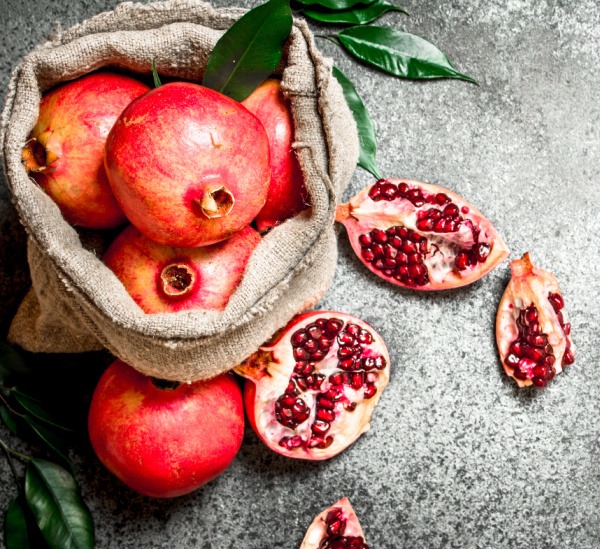
If you want a beautiful jewel toned burst of color and flavor this fall, pomegranates are your fruit. The juicy, ruby-red arils are delightfully tart and sweet, offering a refreshing contrast in dishes. Pomegranates can be intimidating at first with their many seeds, but once you get the hang of de-seeding, their bright flavor unlocks a whole new dimension. Adding pomegranate arils to salads, desserts, or even drinks is an easy way to brighten your fall meals.
Pomegranate Facts
- Packed with antioxidants, vitamin C, and fiber. The reduces inflammation and is great for your skin.
- Sprinkle arils on salads, yogurt, or oatmeal for color and texture. Use the juice in marinades or cocktails.
- Store whole pomegranates in a cool, dry place for up to a month. .
Grapes
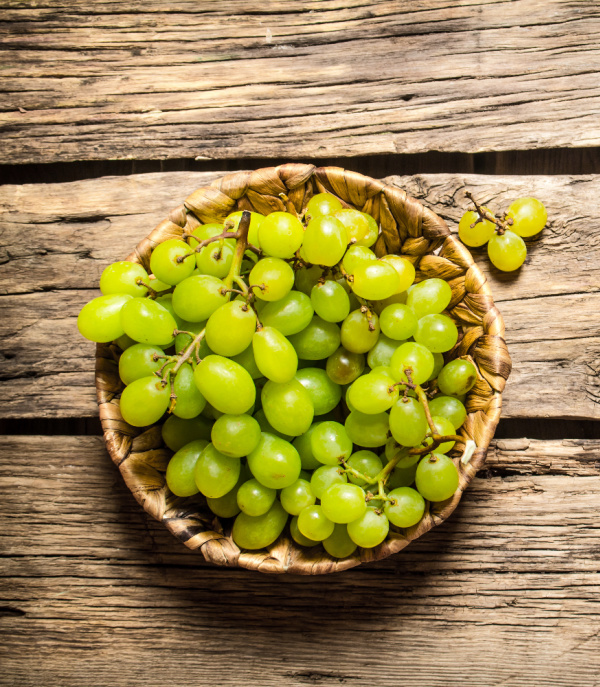
Fall grapes can range from crisp and tart to sweet, depending on the variety. Truth be told, I have never seen grapes at a farmers market in my areas. Do you have them in your markets?
Grape facts
- Concord grapes are often used for juices and jellies. Red and green table grapes are commonly found at the grocery store and are perfect for snacks.
- Grapes provide vitamin K, for bone health, antioxidants and vitamins.
- Fresh grapes are delicious in salads or on cheese boards. You can roast grapes soften and serve with roasted meats. Freeze grapes for natural dessert.
- Refrigerate grapes in their original packaging or a perforated bag for freshness. Make sure to wash just before eating to avoid getting mold on your grapes.
- Grapes are delicious and beautiful addition to platters along with nuts, cheeses, and cured meats.
Persimmons
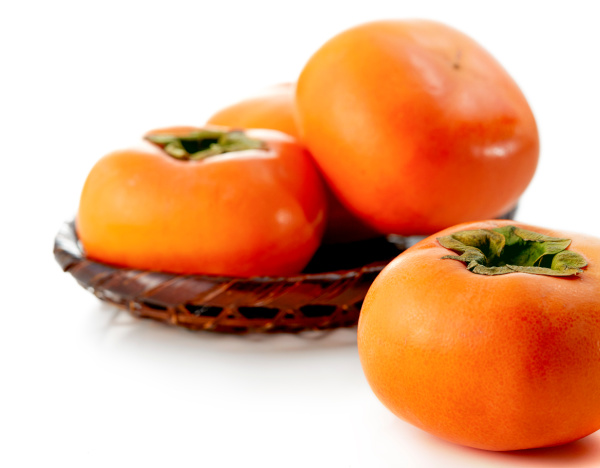
Persimmons add an exotic touch to fall fruit selections, and have a unique texture and taste. Once you know how to prepare them, they can become a seasonal favorite.
Persimmon Facts
- There are 2 main types of persimmons, Fuyu persimmons which are firm and squatty. and Hachiya with are more elongated.
- Rich in fiber, vitamins A and C.
- Fuyu are supposed to be better eaten raw, perfect for salads or snacks. Hachiya works well in puddings, smoothies, or baked goods.
Pumpkins

By the time August rolls around pumpkins or pumpkin spice seem to be everywhere. These orange balls of goodness are on our porches, used for decor and gracing our tables. But pumpkins aren’t just for making jack o’lanterns, this Fall vegetable brings a lot of cozy fall comfort to your home and table.
Facts About Pumpkins
- Pumpkins are high in vitamin A, and support your vision and immune system.. They’re also an excellent source of fiber aiding digestion. Low in calories yet filling, pumpkin is great for hearty fall meals.
- Pumpkin can be roasted, pureed, turned into soups, or baked into muffins, cakes, pies, cookies and breads.
- Pumpkin can be used in skin care routines because of its vitamins and antioxidants.
- Pumpkin bread and lattes are seasonal staples that showcase its versatility. Also, pumpkin seeds can be spiced in various ways for festive snacking.
Chestnuts

Chestnuts roasting on an open fire…
There is something old world about chestnuts. They are a quintessential and nostalgic fall and winter treat. Although to be honest I see them more in Europe than I do in America.
Chestnut Facts
- Sweet and tender when roasted but you can also find them pureed to use in baked goods or made into candy.
- If you are roasting them at home be sure to score the shells deeply with an x shape so that they don’t pop and burst in the oven.
- Chestnuts are rich in vitamins and minerals, including vitamin C.
- You can use chestnuts chopped in stuffings, make into soups or into sweet treats and cookies.
- Try my Chestnut Chocolate Rugelach they are perfect for the holidays.
Fall Vegetables
Sweet Potatoes
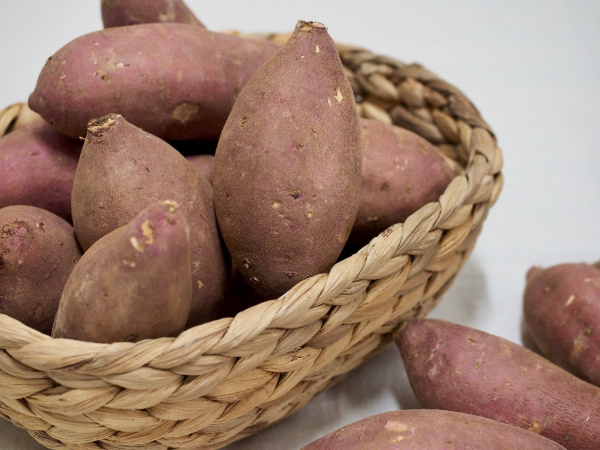
Sweet potatoes are versatile vegetable that can be roasted, mashed, or made into healthy fries. They are also delicious in sweet treats like pies, and scones.
Sweet Potato Facts
- Bake whole sweet potatoes for an easy side dish or meal. Cube them for roasting with herbs like rosemary and thyme and a dash of salt. They are delicious in salads or with meats. Sweet potato fries are a popular, healthier alternative to regular fries.
- Loaded with vitamins A and C, and packed with beta-carotene, sweet potatoes support eye health, help regulate blood pressure and are great for energy.
- Store your potatoes in a cool, dry place away from direct sunlight to keep them fresh and prevent sprouting. I like to buy a case or two at the Thanksgiving sales and then enjoy them all winter long. Roasted Sweet Potato Salad with Candied pecans is one of my favorites ways to enjoy them, Sweet Potato and Pumpkin Soup is another.
Brussels Sprouts
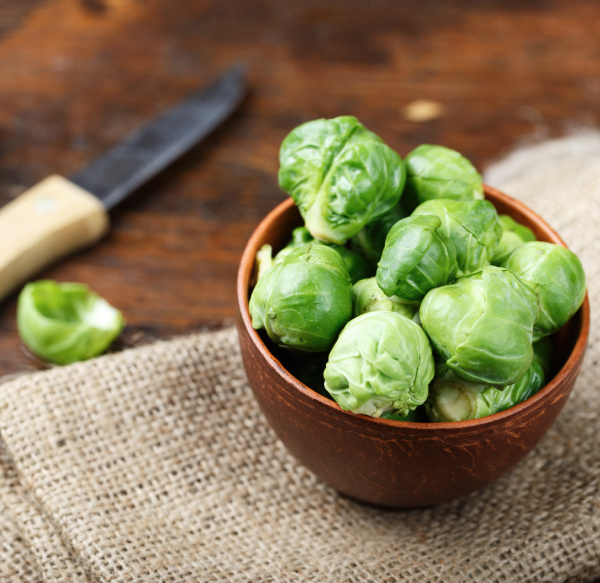
Brussels sprouts truth be told are my least favorite vegetable, they are a veggie that you either love or hate. That said, these tiny cabbages are delicious shaved in salads which is how I eat them. Others prefer them roasted or sautéed and I am sure that if you find the perfect recipe they are delicious on your holiday table or weeknight dinner.
Brussel Sprout Facts
- Brussels sprouts have anti-inflammatory properties thanks to antioxidants and a filled with vitamins K and C, they also have lots of fiber.
- Keep Brussel sprouts in the refrigerator fridge for freshness. Try to use them within a week because as they age they become bitter.
Butternut Squash
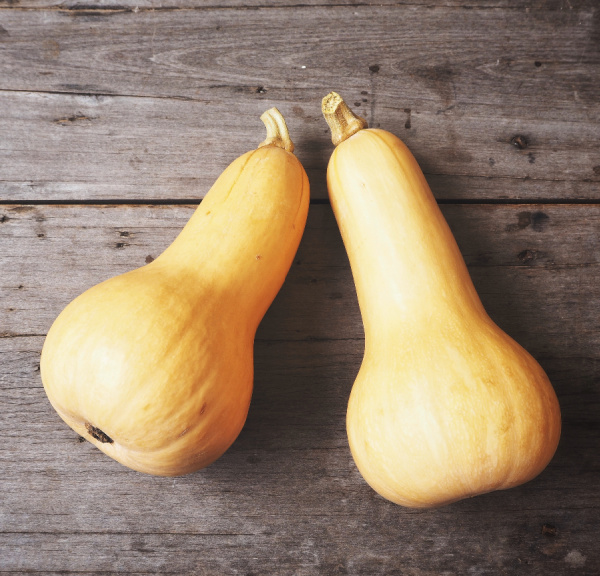
Butternut squash is one of the best vegetables of fall’s bounty. It’s delicious on its own but also great in soups, salads, and side dishes, not to mention baked into desserts, like this Easy Butternut Squash Snack Cake.
Butternut Squash Facts
- Peel and cube butternut squash for roasting or steaming. Blend roasted butternut squash with broth and spices for a delicious soup like my Roasted Butternut Squash soup. You can also make this in your Vitamix!
- Packed with vitamin A, and C which support eye and skin health. Also a good source of potassium, which helps regulate blood pressure.
- Store your squash in a cool, dry place for up to a month. If you find yourself with a plethora of squash pureed squash freezes well and you can use it in soups and stews this winter.
- Try my Caramelized Butternut Squash, Quinoa, Salad with Dried Cherries, Almonds and Goat Cheese
Kale
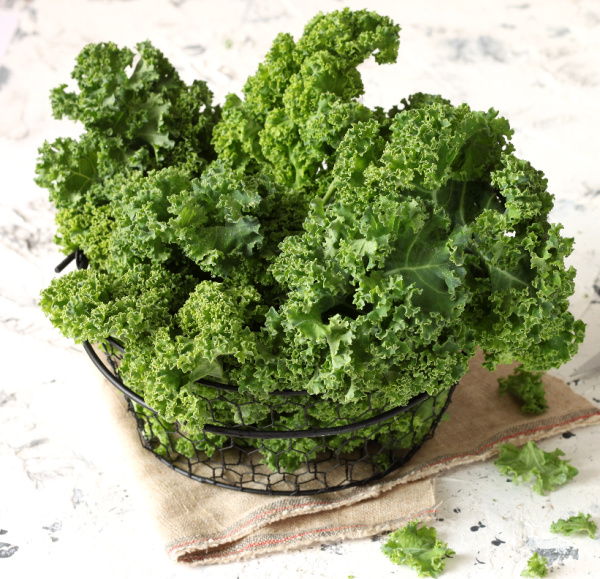
Kale is another vegetable like Brussel sprouts that are not high on my list. That said, these hearty green are very popular in salads, soups and sautéed.
Kale Facts
- Kale is incredibly high in vitamins K and A, has antioxidants that help reduce inflammation and contains fiber as well.
- Massaging raw kale with olive oil softens leaves for salads.
- Curly kale is very common and has a peppery flavor. Lacinato kale (dinosaur kale) is darker with a sweeter, milder flavor. Red Russian kale has tender leaves which are perfect for salads.
- Keep kale wrapped loosely in a plastic bag in the fridge.
- Try Chicken and Wild Rice Soup with Kale.
Beets
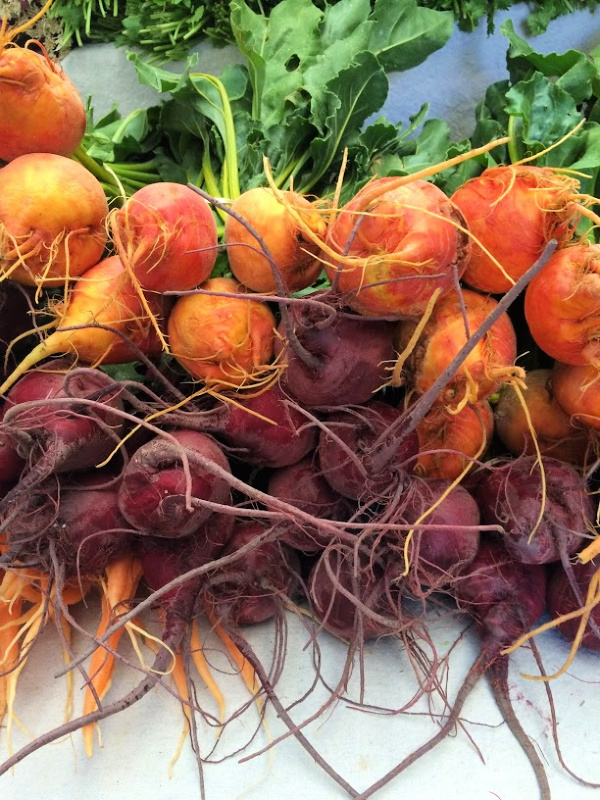
Beets are another vegetable you either love or hate. Their rich burgundy and golden yellow color look beautiful in salads and soups.
Beet Facts
- Traditional red beets are the most common and readily available at your local grocery store. Golden beets are milder but seem harder to find at least in my area unless they are locally grown.
- High in folate, which is vital for cell growth and tissue repair. Dietary nitrates in beets convert to nitric oxide, helping blood vessels relax. Rich in antioxidants that support overall health.
- Roast whole beets wrapped in foil until tender then enjoy them in salads or as a side dish. You can also slice or grate them raw for a delicious crunchy texture on salads or in slaws. Be careful roasting or cooking with beets, the juice stains everything.
- Store unwashed beets in a cool, humid place like the crisper drawer of your refrigerator, be sure to remove the greens before storing. Beets are a delicious addition to Fall Cobb Salad.
Carrots
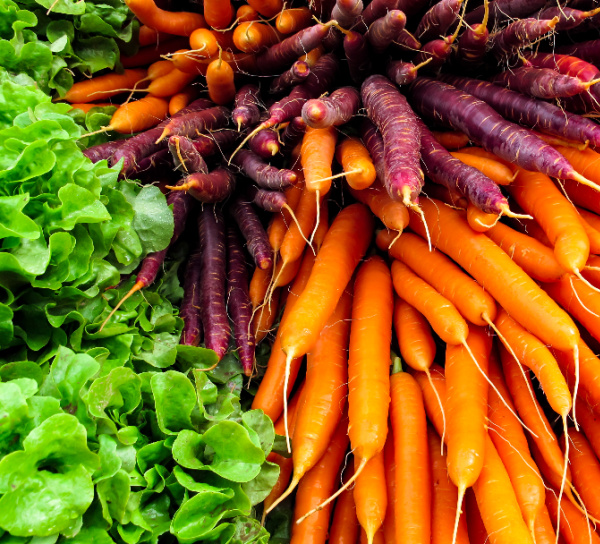
Carrots are a family favorite and a fall staple. They come in colors ranging from classic orange to purple, yellow, and white. Often enjoyed raw with ranch dressing or dips they are also found on many holidays tables and Sunday roasts.
- Orange carrots are most common and sweet. Purple and yellow carrots have an earthier flavor and in my area are harder to find.
- Carrots have Beta-carotene which converts to vitamin A in the body. They also contain fiber, vitamin K, and potassium.
- Roasted carrots with honey and herbs make a simple yet elegant side. Glazed carrots in butter and brown sugar are fall classics. Shaved raw carrots add color and crunch to slaws and salads. I prefer my carrots in desserts and not savory sides.
- Keep carrots refrigerated, preferably in a perforated bag, to maintain crispness. Remove green tops to prevent moisture loss.
- Try Tuscan Carrot and Bean Soup with Kale or the vital Carrot Salad that is taking Tik Tok by storm.
- For something sweet Carrot Banana Bread with Cream Cheese Frosting or Ben Star’s Pumpkin Carrot Cake.
Pin Me for Later

THAT’S ALL FOR NOW
Fall produce isn’t just tasty, it’s packed with nutrients that support your health through colder months so be sure to stock up on some of these versatile and delicious Fall fruits and vegetables.
Have a great day friends, thank you for spending part of your day with me I hope that you enjoyed the best Fall fruits and vegetables to enjoy in season.
You can also keep up with me on Pinterest, Instagram, and Facebook. And last but not least, if you like Pinecones & Acorns share it with a friend!
This post contains affiliate links, if you make a purchase I will earn a small commission at no extra cost to you. As an Amazon Associate, I earn from qualifying purchases. If you choose to purchase after clicking a link, I may receive a commission at no extra cost to you.
On My Radar~Fall